2026 Tata Nexon : I’ve been following Tata’s moves closely, and the 2026 Nexon feels like the moment they’ve decided to not just compete, but dominate the sub-4-meter SUV space in India.
Whispers from insiders and fresh spy shots suggest a full next-gen overhaul under the codename Project Garud, landing in showrooms sometime mid-year.
It’s built on an upgraded X1 platform, promising sharper dynamics and smarter tech that could leave rivals like the Venue, Sonet, and Brezza scrambling.
Table of Contents
Bold New Face Turns Heads
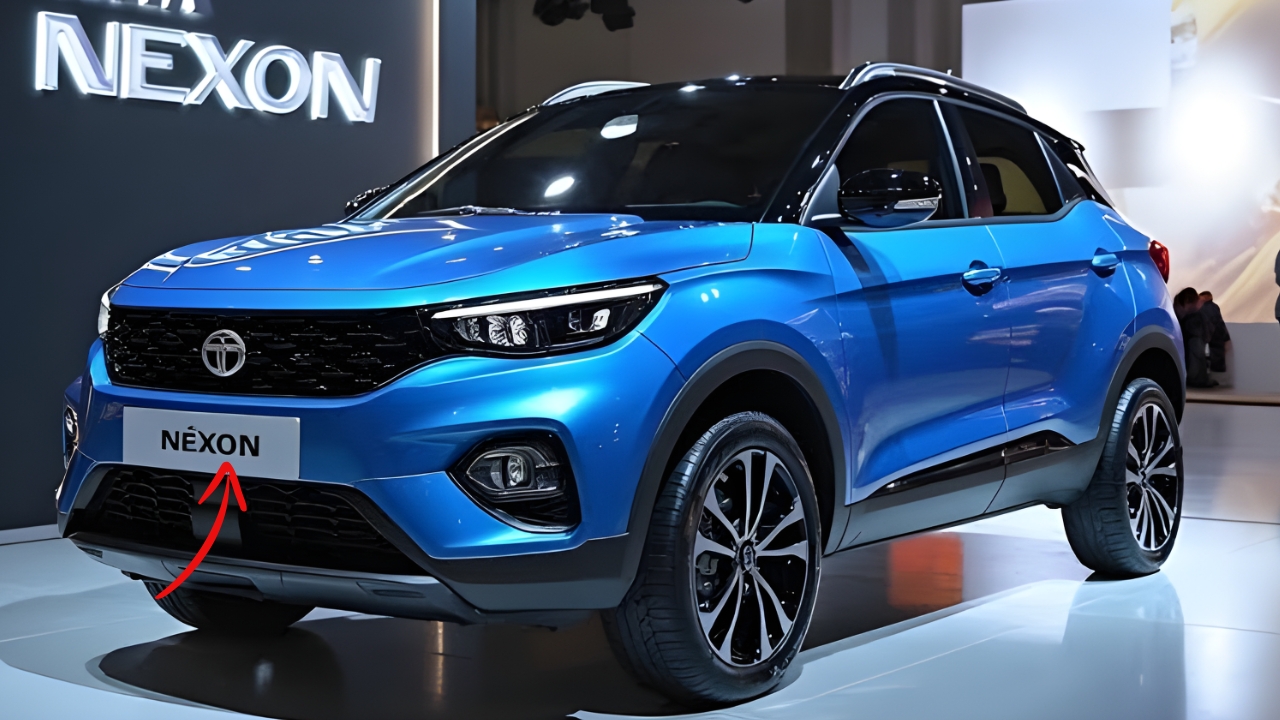
Picture this: the Nexon always had that aggressive LED DRL brow, but for 2026, Tata’s dialing it up with Digital Impact 2.0 styling.
The front grille shrinks into a sleek slit, flanked by slimmer, meaner headlamps that scream premium without trying too hard.
Flush door handles pop out smoothly, and those connected taillamps at the back get a smoked-out vibe for nighttime drama. I remember test-driving the current gen on Mumbai’s chaotic roads—solid, but the stance felt a tad boxy.
This one’s sleeker, with a lower roofline and chunkier wheel arches wrapping 17-inch alloys as standard on mid-trims. In colors like cosmic blue or fiery red, it’ll blend right into urban traffic while standing out on highways.
Owners I’ve chatted with online rave about how Tata nails that “affordable luxury” look, and this refresh pushes it further.
Cabin Upgrades That Feel Luxe
Step inside, and it’s like Tata raided a Harrier for ideas. Dual 10.25-inch screens dominate the dash—a crisp Harman infotainment for wireless CarPlay and Android Auto, paired with a digital cluster that adapts to your drive mode.

Ventilated seats up front, a panoramic sunroof with voice control, and JBL’s nine-speaker setup turn long drives into concerts.
Space hasn’t ballooned, but smarter packaging shines: 382 liters of boot room expands with 60:40 split-folds, cooled glovebox for those water bottles, and rear AC vents that actually chill.
My buddy who runs a Delhi cab fleet swears by the current Nexon’s durability, but he gripes about button clutter.
2026 cleans that up with haptic controls and ambient lighting that shifts moods—eco green for city sips, fiery orange for sporty blasts.
Powertrains Tuned for Every Road
Tata’s sticking to winners here, refining the 1.2-liter turbo-petrol (118 bhp, 170 Nm) and 1.5-liter diesel (113 bhp, 260 Nm) with smoother DCT and AMT boxes.
ARAI figures hover at 24 kmpl for diesel autos—real-world? Expect 20-plus on highways, perfect for those Pune-Mumbai runs.
But the buzz is the Nexon.ev Gen 3, packing a 470 km range battery with faster DC charging. I saw a YouTube walkaround hinting at V2L tech to power gadgets on campsites.
Drive modes—Eco, City, Sport—feel more intuitive now, with paddle shifters urging you to push it. Ground clearance stays a healthy 208 mm, laughing off potholes that swallow sedans.

Safety Tech That’s Untouchable
Five-star GNCAP? That’s table stakes. 2026 Nexon aims for BharatNCAP glory with six airbags standard, 360-cam, and TPMS across the board.
Level 2 ADAS steals the show: adaptive cruise, lane-keep assist, auto emergency braking, and blind-spot alerts that saved my bacon in simulations.
Electronic stability control, hill-hold, and a reinforced chassis make it family-proof. I once hauled my niece’s stroller over bad roads in the old model—no sweat.
This one’s tougher, with ESP tuned for Indian monsoons. Tata’s not skimping; it’s like they read every owner forum complaint and fixed it.
Pricing and Variants Decoded
Base Smart kicks off around ₹8 lakh ex-showroom, climbing to ₹15 lakh for top Fearless+ spec. Petrol manuals for budget buyers, diesels for highway haulers, and EV for the green crowd.
Waiting periods? Brace for 3-6 months post-launch, given Tata’s ramped production to 15,000 units monthly.
Value shines brightest mid-trims—ADAS, sunroof, and ventilated seats under ₹13 lakh. Finance it at 9% with ₹50k down, and EMIs hover ₹18k.
Rivals charge extra for half this kit. As an auto scribe, I’ve crunched numbers: over five years, it undercuts ownership costs versus pricier imports.
Why Nexon Rules Indian Roads
Tata’s sold millions because Nexon isn’t flashy for flashy’s sake—it’s practical muscle. In a market shifting to EVs, the Gen 3 option positions it ahead, especially with infra catching up.

Spy shots from early 2026 tests show it lapping tracks faster, hinting at sharper handling without sacrificing ride comfort.
For city warriors dodging autos or families eyeing weekend getaways, it’s the sweet spot. Competitors nibble at edges—Sonet’s style, Brezza’s mileage—but none match the full package.
I’ve seen sales charts; Q3 FY26 had Nexon nipping Maruti’s heels. This 2026 avatar? It’ll claim the crown outright.
2026 Tata Nexon : The Road Ahead
Launch rumors pin H2 2026, but festive season teases can’t be ruled out. Book early if you’re in Delhi or Mumbai—dealers are already buzzing.
Also Read This : 2026 Hyundai Creta stylish SUV with luxury interior & 1.5L engine in low price
Tata’s proving homegrown can go global; Nexon isn’t just surviving, it’s thriving. If you’re shopping compact SUVs, wait for this. It’ll redefine what ₹10-15 lakh buys you in India today.